

Break Free from Kidney Stone Pain
At InfiniHealth Medical Group, we help you get fast answers and effective treatment for kidney stones. Whether you’re facing sharp back pain, trouble urinating, or recurring stones, our specialists are here to guide you from diagnosis to relief.
What Are Kidney Stones and Why Do They Hurt So Much?
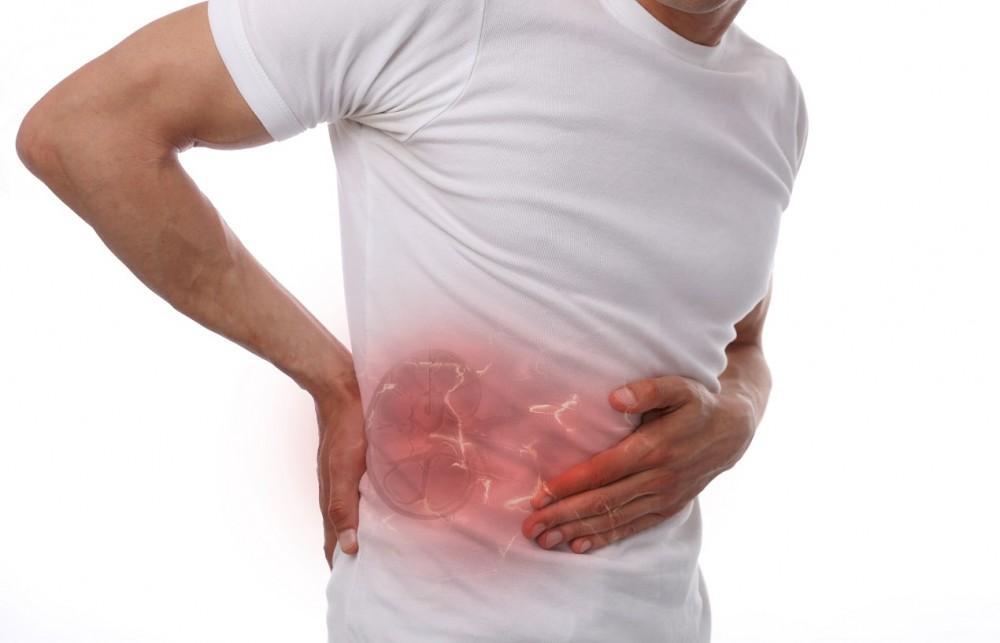
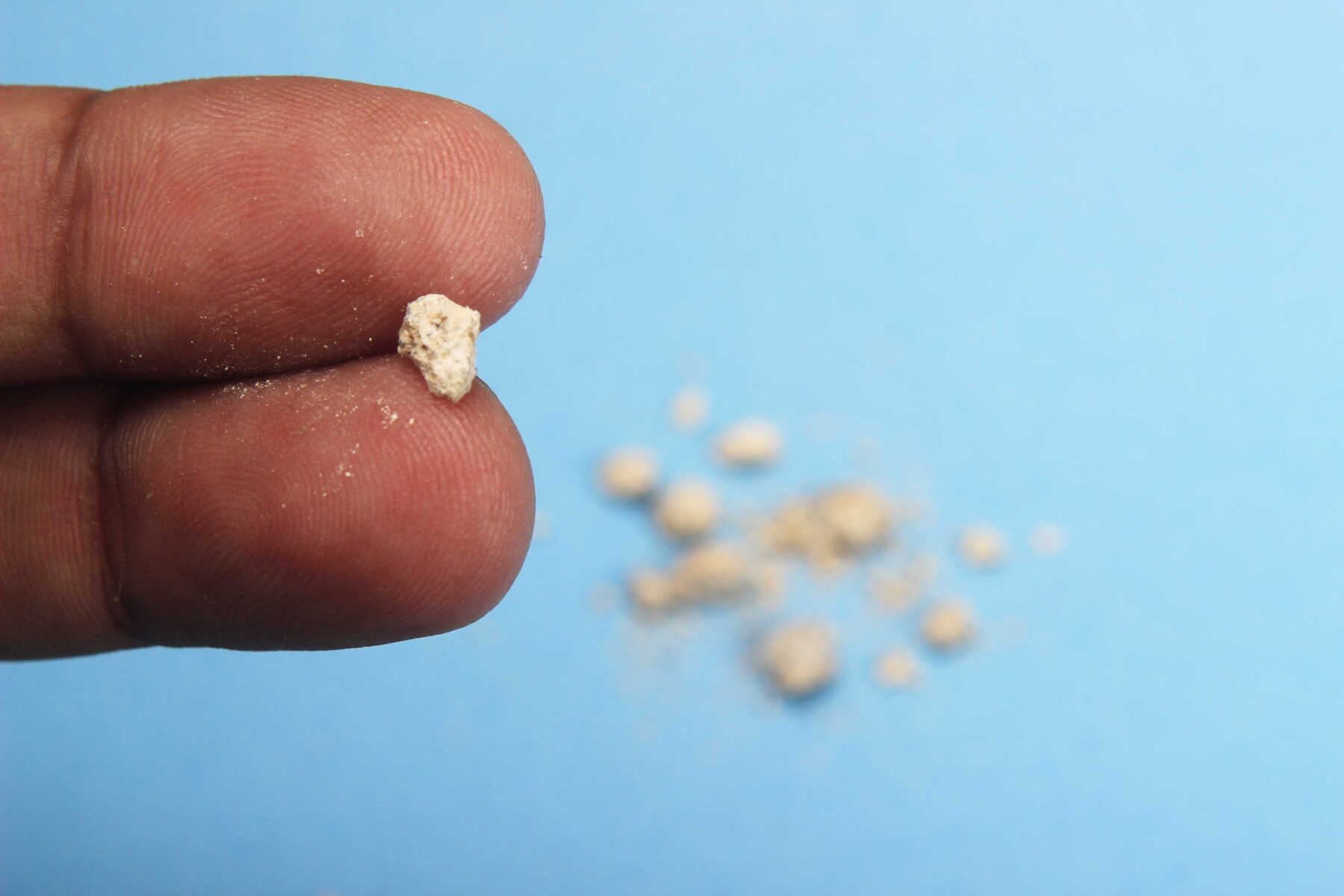
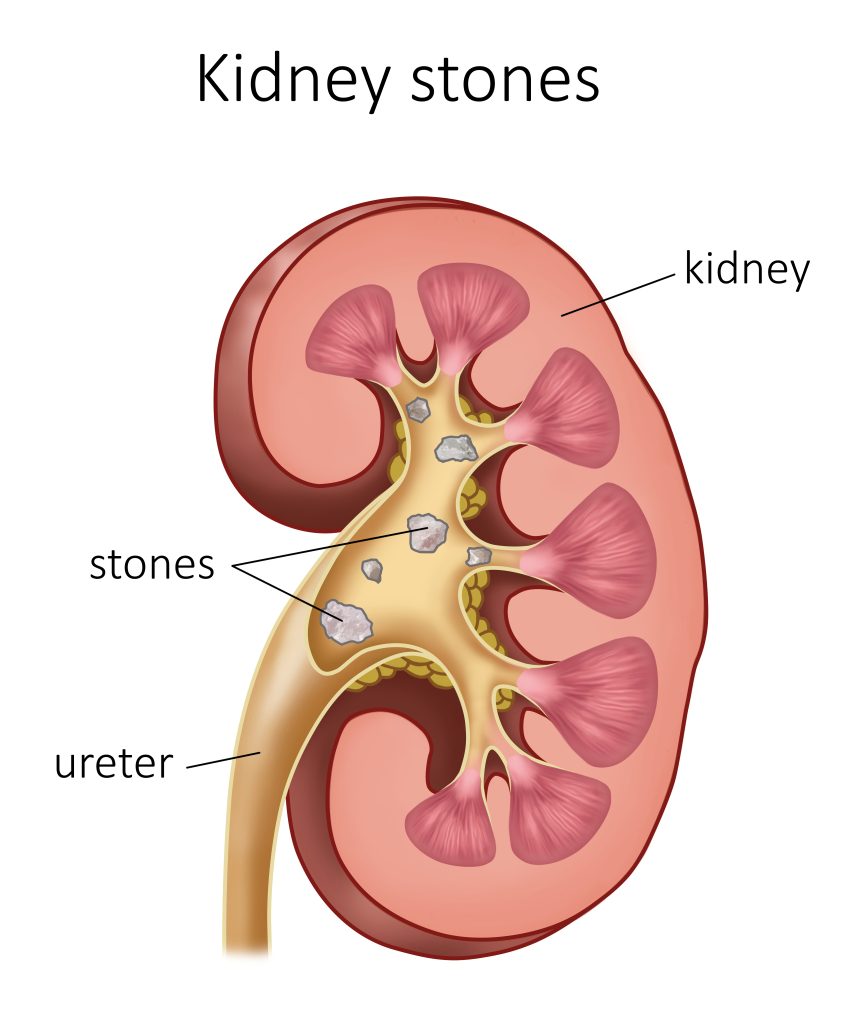
Kidney stones form when minerals and salts in your urine clump together and crystallize. Over time, these stones can grow larger and begin to move through the urinary tract — triggering intense pain, nausea, and sometimes even blood in the urine. Stones can block the normal flow of urine, leading to sharp discomfort that often starts in the back and radiates toward the lower abdomen or groin.
Common Symptoms of Kidney Stones
Know the Signs of Kidney Stones
While small stones may go unnoticed, larger ones can cause significant symptoms, including:
-
Sudden, severe back or side pain (often under the ribs)
-
Pain that shifts toward the lower belly or groin
-
Blood in the urine
-
Burning or urgency when urinating
-
Nausea and vomiting
-
Difficulty passing urine or inconsistent flow
These symptoms can change as the stone moves through the urinary tract — making timely evaluation key.
Causes & Types of Kidney Stones
What Causes Kidney Stones?
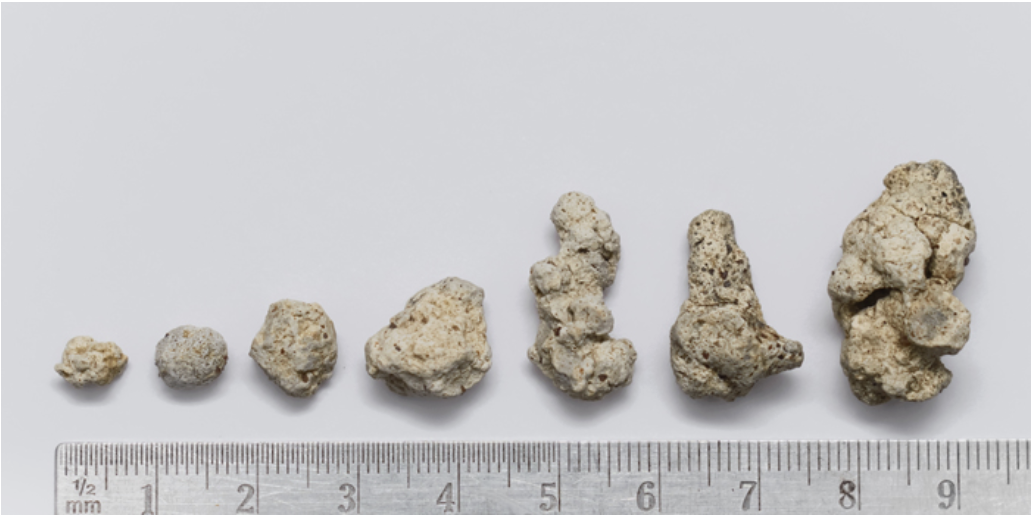
Kidney stones can develop from a variety of factors, including dehydration, high sodium or protein intake, infections, or genetics. There are four main types:
-
Calcium Stones: The most common, often made of calcium oxalate.
-
Uric Acid Stones: Linked to high-protein diets or conditions causing acidic urine.
-
Struvite Stones: Form due to urinary tract infections and can grow rapidly.
-
Cystine Stones: Rare, caused by a genetic condition that leads to excess amino acids in the urine.
Understanding what type you have helps us prevent future episodes.
Diagnosis & Treatment
Your Path to Relief Starts with the Right Diagnosis
Our team uses advanced diagnostic tools — including ultrasounds, CT scans, and urinalysis — to identify the stone’s size, location, and cause. Once diagnosed, your treatment plan may include:
-
Laser Stone Ablation – Breaks stones into smaller fragments using laser technology.
-
Shockwave Therapy (ESWL) – Uses high-energy sound waves to shatter stones so they can pass naturally.
-
PCNL (Percutaneous Nephrolithotripsy) – A minimally invasive procedure to remove large or stubborn stones.
We also provide long-term prevention strategies, such as dietary counseling, supplements, and medication to reduce recurrence.

Why Choose InfiniHealth Medical Group
-
Experienced specialists
-
Discreet, patient-centered care
-
Comprehensive evaluations
-
Advanced, evidence-based treatment options