


Hip Conditions
Understanding Hip Conditions
Hip conditions can develop from injury, overuse, or gradual joint changes over time.
The hip is a major weight-bearing joint responsible for stability, balance, and smooth movement, making it especially vulnerable to both acute injuries and long-term wear.
Some conditions develop suddenly due to strain or trauma, while others progress over time as cartilage wears down or inflammation increases. Movement imbalances and repetitive stress can also contribute to irritation within the joint.
Although symptoms may feel similar, the underlying cause can vary—from soft tissue inflammation and structural issues to joint degeneration—making proper evaluation essential.
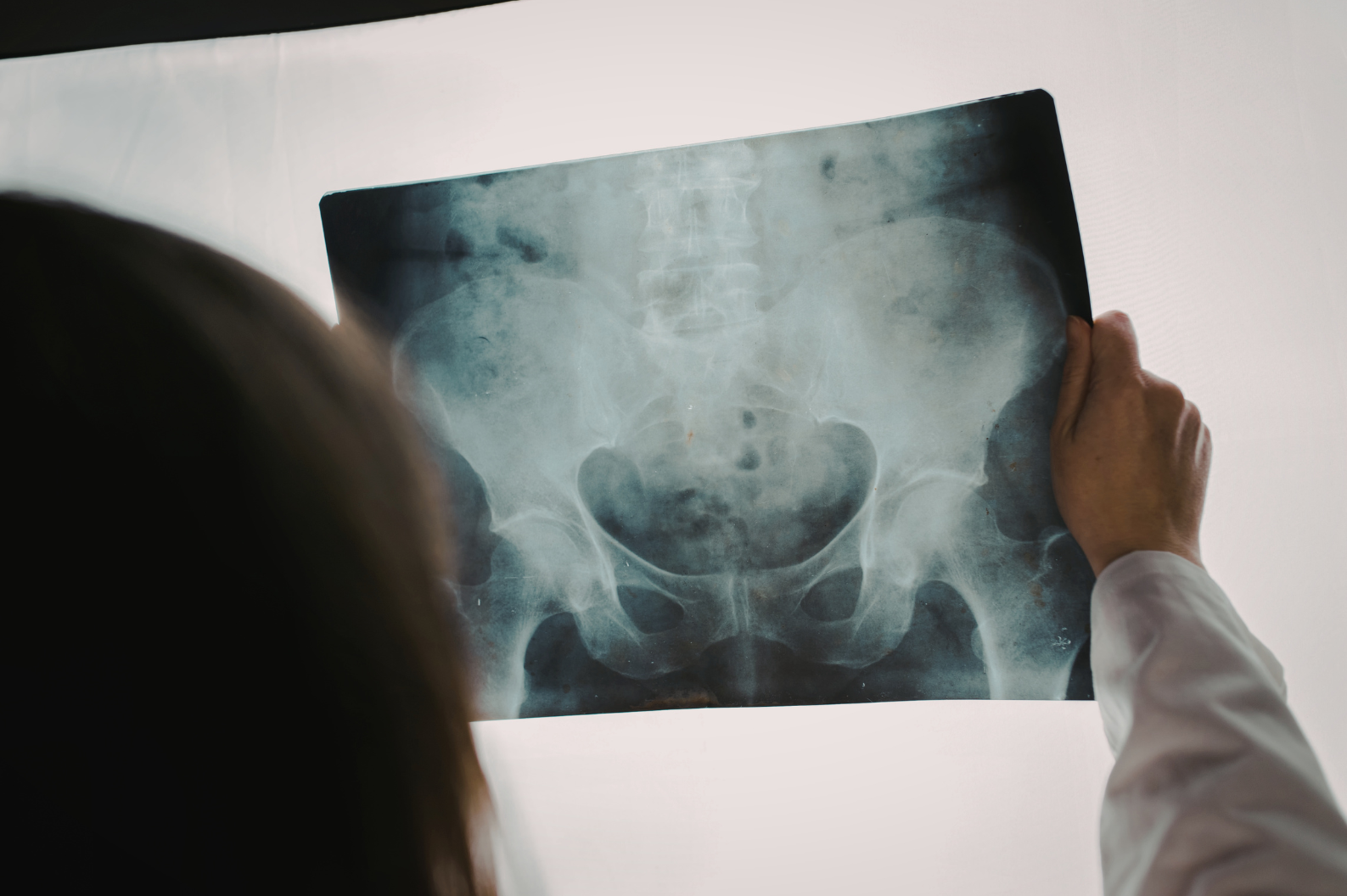

Common Hip Conditions We Evaluate
Hip discomfort is often linked to several core categories of conditions.
Soft-tissue conditions such as bursitis, tendonitis, or muscle strains can cause localized pain, especially with movement or pressure.
Structural issues like labral tears, femoroacetabular impingement (FAI), or hip dysplasia may affect joint stability and lead to ongoing irritation or reduced range of motion.
Degenerative conditions—including osteoarthritis, inflammatory joint conditions, or avascular necrosis—can develop over time and impact joint function and comfort.
Traumatic injuries such as fractures or dislocations may occur suddenly and require more immediate evaluation, while sports-related and overuse conditions—like snapping hip syndrome or stress-related injuries—are common in active individuals.
How Hip Conditions Are Evaluated
Treatment Approach
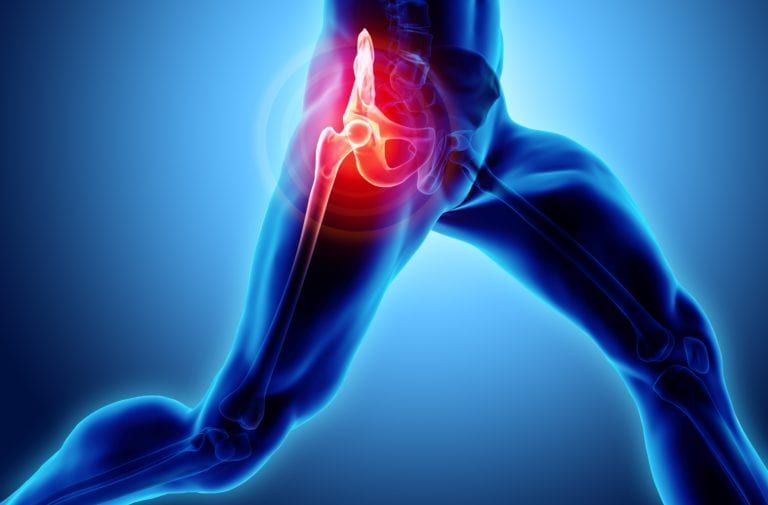
When To See A Hip Specialist
Persistent hip symptoms should not be ignored.
If discomfort begins to affect your daily movement or does not improve over time, it may be time to seek evaluation.
You may benefit from a visit if you’re experiencing ongoing groin or outer hip pain, clicking or catching in the joint, stiffness when getting in and out of a car or chair, or pain that worsens at night or during longer periods of walking.
Early evaluation can help identify the source of the issue, improve outcomes, and reduce the likelihood of more advanced treatment.
Take the Next Step
Frequently Asked Questions
What services does InfiniHealth offer?
InfiniHealth provides comprehensive care across nine medical specialties: spine care, orthopedic care, sports medicine, pain management, urology, gastroenterology, radiology, vascular care, and primary care.
Where are your locations?
InfiniHealth proudly serves patients at five locations throughout New Jersey: West Orange, Clifton, Woodland Park, Hackensack, and Elizabeth.
What insurances do you accept?
We are In-Network with Horizon Blue Cross Blue Shield and Medicare. If you have out of network benefits, we accept all commercial insurance plans and will work with you to maximize your coverage.
How do I make an appointment?
You can schedule an appointment by calling us at (908)315-9055 or using our online booking form.
Do you offer same-day or urgent appointments?
Same-day appointments may be available depending on location and specialty. Please call to check availability.
What conditions do you treat?
From back pain, joint injuries, and sports-related issues to gastrointestinal conditions, vascular problems, and chronic pain, our specialists are trained to handle a wide range of health concerns.