

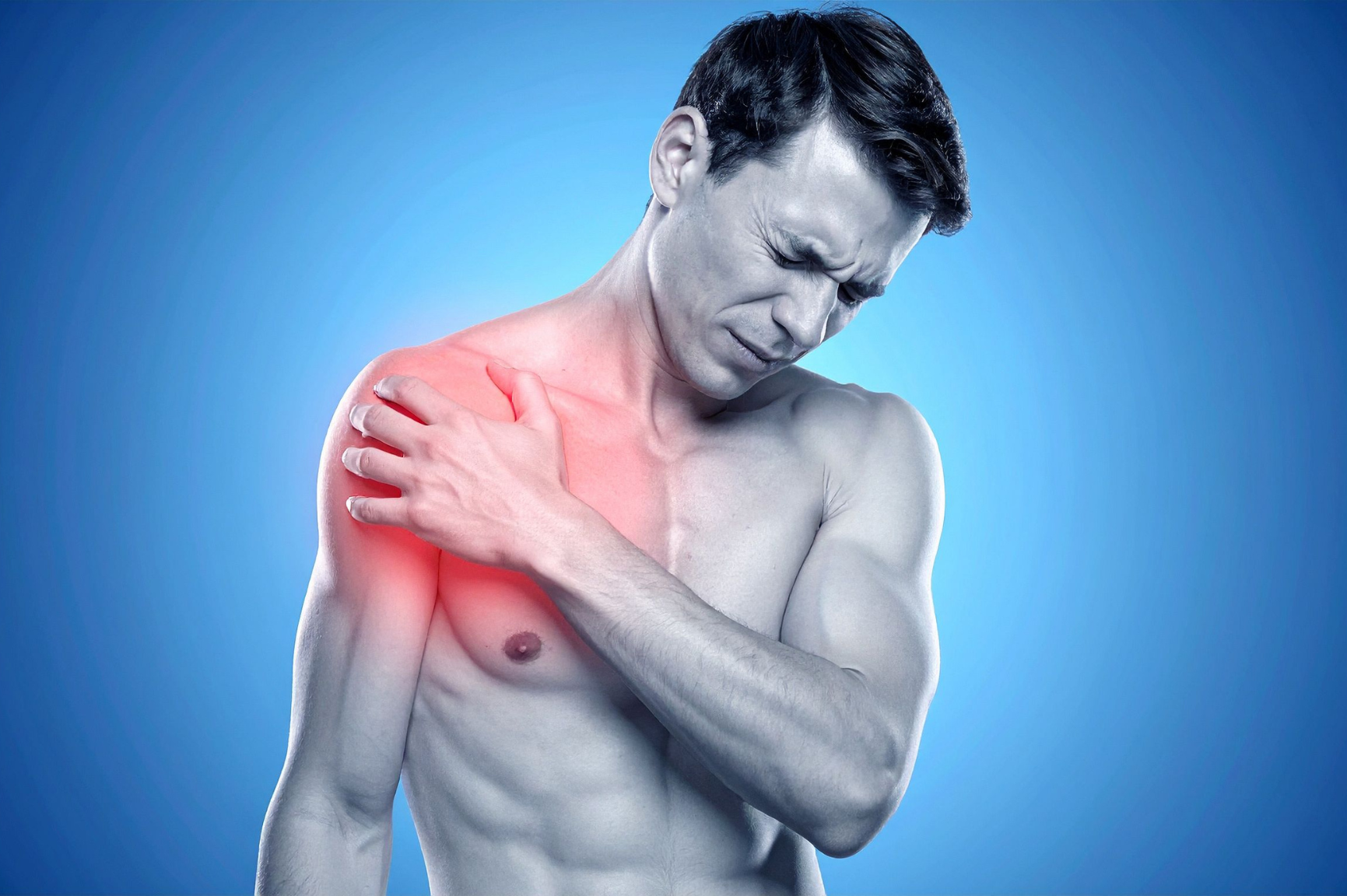
Shoulder & Upper Extremity Injuries
Common Shoulder & Upper Extremity Injuries
Shoulder and elbow conditions often develop from overuse or repetitive motion, affecting stability and movement.
Common conditions include:
-
Rotator cuff tears – Damage to shoulder muscles and tendons, often from repetitive overhead activity
-
Labral tears (SLAP lesions) – Cartilage injury causing catching, popping, or instability
-
Shoulder impingement or bursitis – Inflammation leading to pain with lifting or reaching
-
Tennis elbow & golfer’s elbow – Tendon overuse injuries causing pain on the outer or inner elbow
Each condition can vary in severity and may impact movement and function differently.

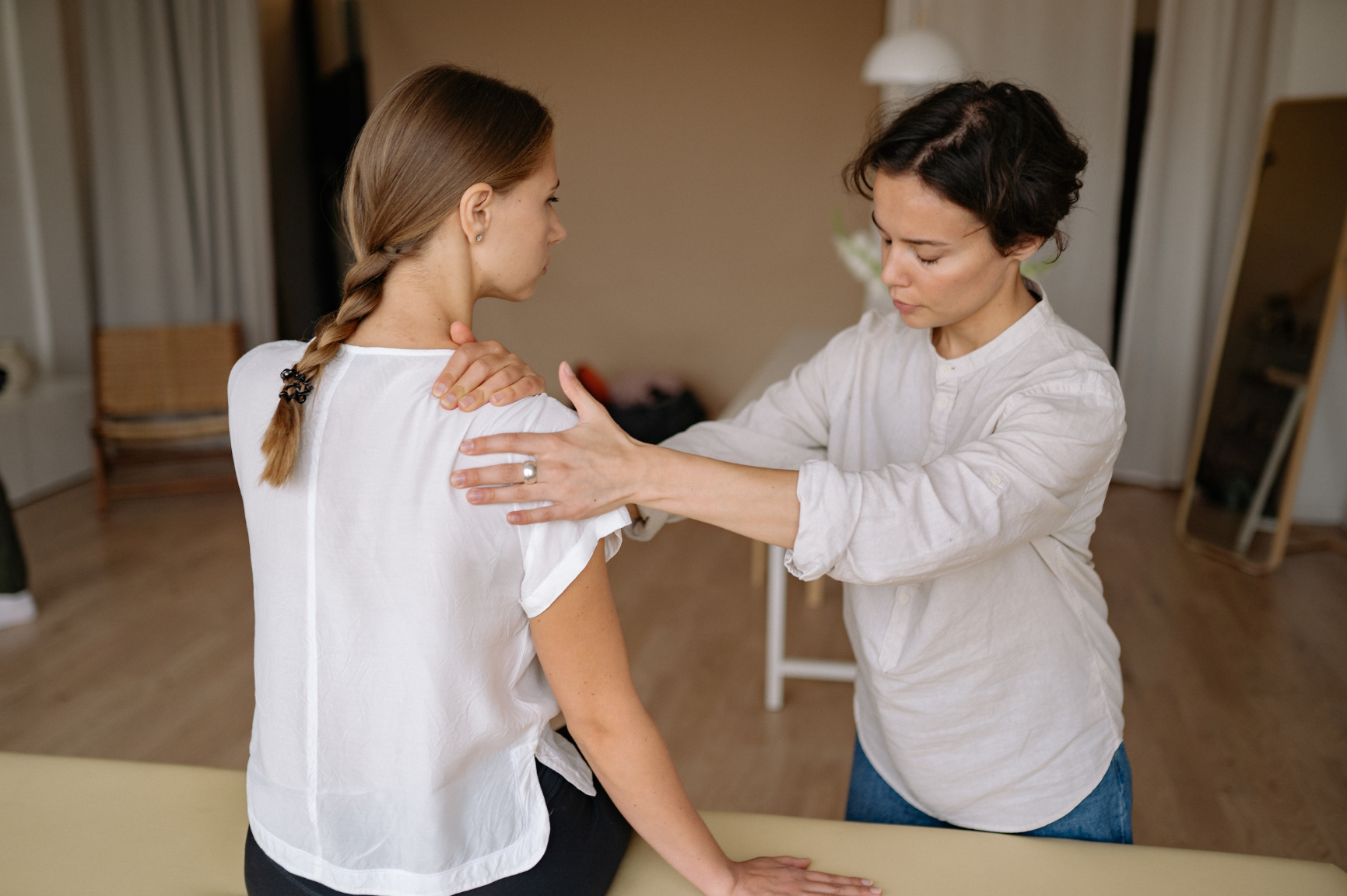
What Causes These Injuries?
Shoulder and upper extremity injuries often result from repetitive stress or sudden strain on joints and soft tissues.
Common causes include:
-
Repetitive overhead motion – Throwing, swimming, or lifting that places repeated stress on the shoulder
-
Overuse and strain – Frequent activity without proper rest leading to inflammation
-
Poor mechanics or technique – Improper movement increasing pressure on joints and tendons
-
Muscle imbalances – Weakness or tightness affecting stability and control
-
Acute injury or trauma – Falls, sudden movements, or direct impact causing structural damage
Signs And Symptoms
How These Injuries Are Diagnosed
Treatment Options
Treatment is based on the severity of the injury and the structures involved.
Common approaches may include:
-
Rest and activity modification – Reducing strain to allow proper healing
-
Physical therapy and rehabilitation – Improving strength, flexibility, and stability
-
Ultrasound-guided injections – Targeted care to reduce inflammation and support recovery
-
Medication and pain management – Helping manage discomfort
-
Minimally invasive procedures – Arthroscopic repair when needed
Treatment plans are tailored to restore mobility, improve function, and help prevent recurrence.
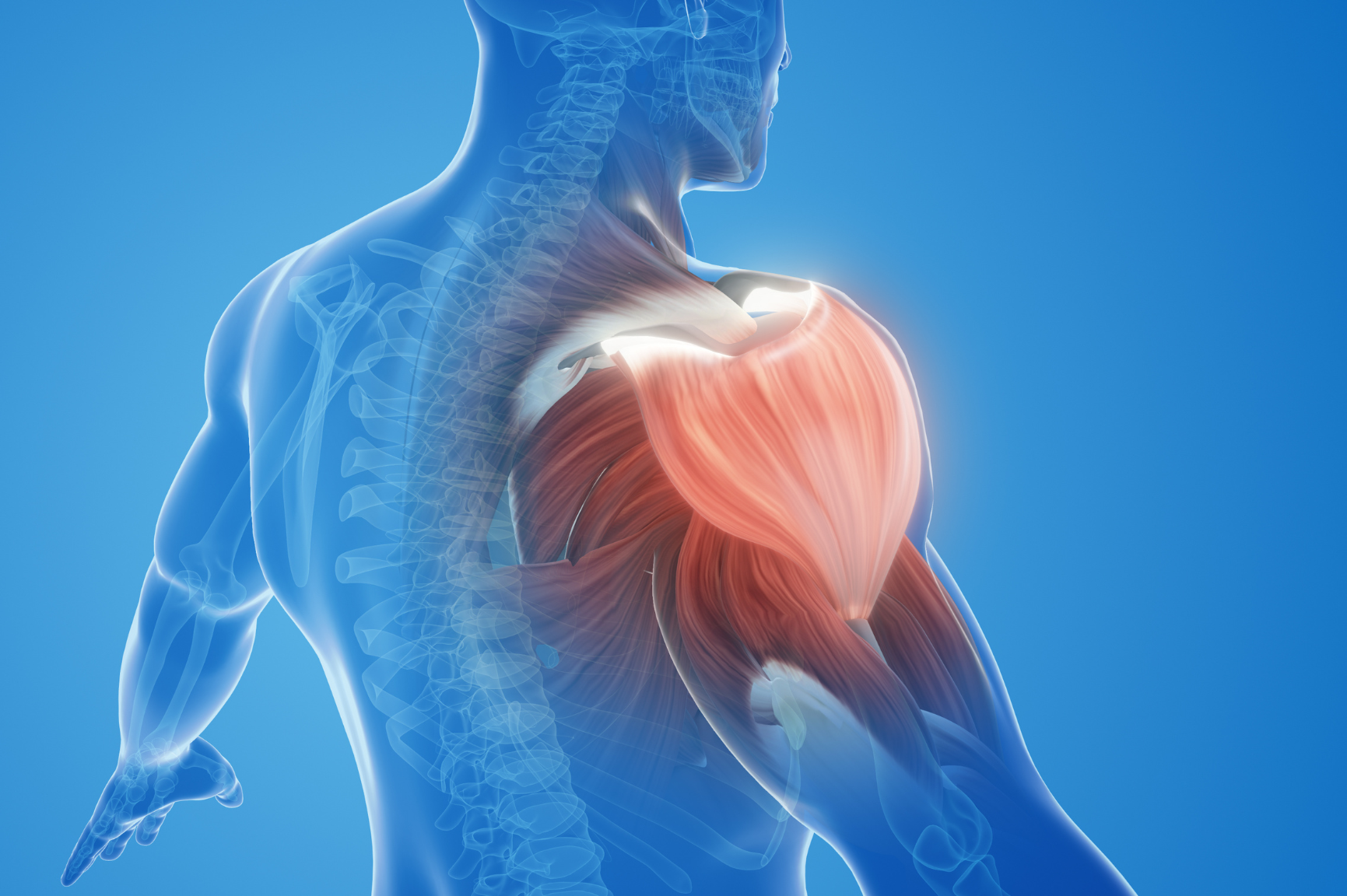
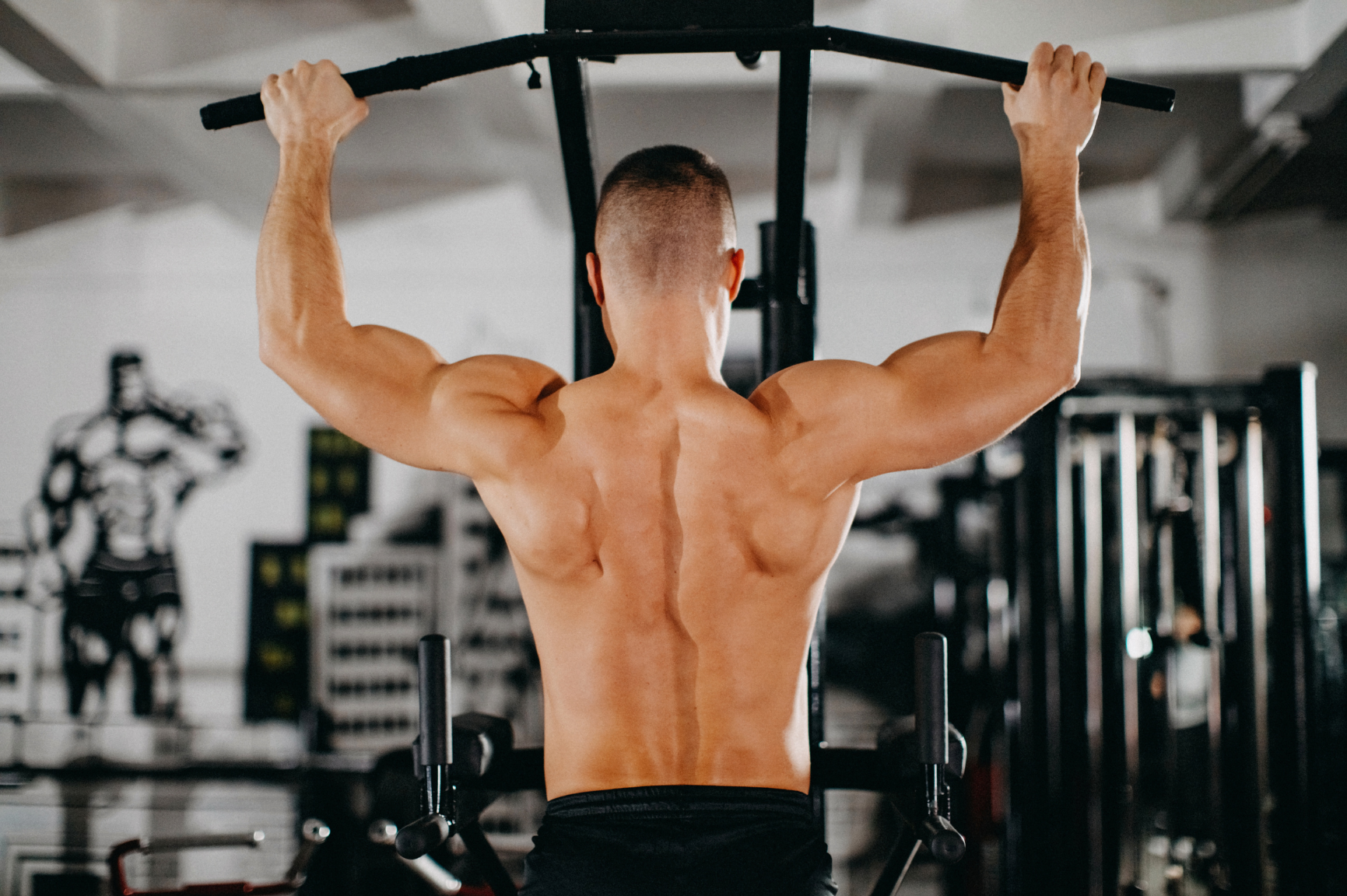
Recovery And Prevention
Proper recovery and prevention strategies are key to maintaining long-term joint health.
Preventative measures may include:
-
Strengthening shoulder and arm muscles
-
Improving flexibility and mobility
-
Practicing proper technique during activity
-
Gradually increasing intensity and workload
-
Allowing adequate rest and recovery
A structured approach can help reduce the risk of reinjury and support continued performance.
Take the Next Step
Frequently Asked Questions
What services does InfiniHealth offer?
InfiniHealth provides comprehensive care across nine medical specialties: spine care, orthopedic care, sports medicine, pain management, urology, gastroenterology, radiology, vascular care, and primary care.
Where are your locations?
InfiniHealth proudly serves patients at five locations throughout New Jersey: West Orange, Clifton, Woodland Park, Hackensack, and Elizabeth.
What insurances do you accept?
We are In-Network with Horizon Blue Cross Blue Shield and Medicare. If you have out of network benefits, we accept all commercial insurance plans and will work with you to maximize your coverage.
How do I make an appointment?
You can schedule an appointment by calling us at (908)315-9055 or using our online booking form.
Do you offer same-day or urgent appointments?
Same-day appointments may be available depending on location and specialty. Please call to check availability.
What conditions do you treat?
From back pain, joint injuries, and sports-related issues to gastrointestinal conditions, vascular problems, and chronic pain, our specialists are trained to handle a wide range of health concerns.