


Stomach Cancer
What Causes Stomach Cancer?
The exact cause of stomach cancer is not always known. However, certain lifestyle factors, medical conditions, and genetic influences can increase the risk of developing the disease.
A diet that lacks fresh fruits and vegetables while including high amounts of smoked, pickled, or salty foods may contribute to stomach cancer risk. Long-term stomach inflammation, infection with Helicobacter pylori (H. pylori) bacteria, and stomach polyps can also increase the likelihood of abnormal cell growth.
Other risk factors include obesity, smoking, exposure to certain environmental substances, and a family history of stomach cancer. Individuals with genetic predisposition may also have a higher risk.
Understanding these risk factors can help guide early screening and prevention strategies.

Signs & Symptoms
Symptoms of stomach cancer may develop gradually and can sometimes resemble other digestive conditions.
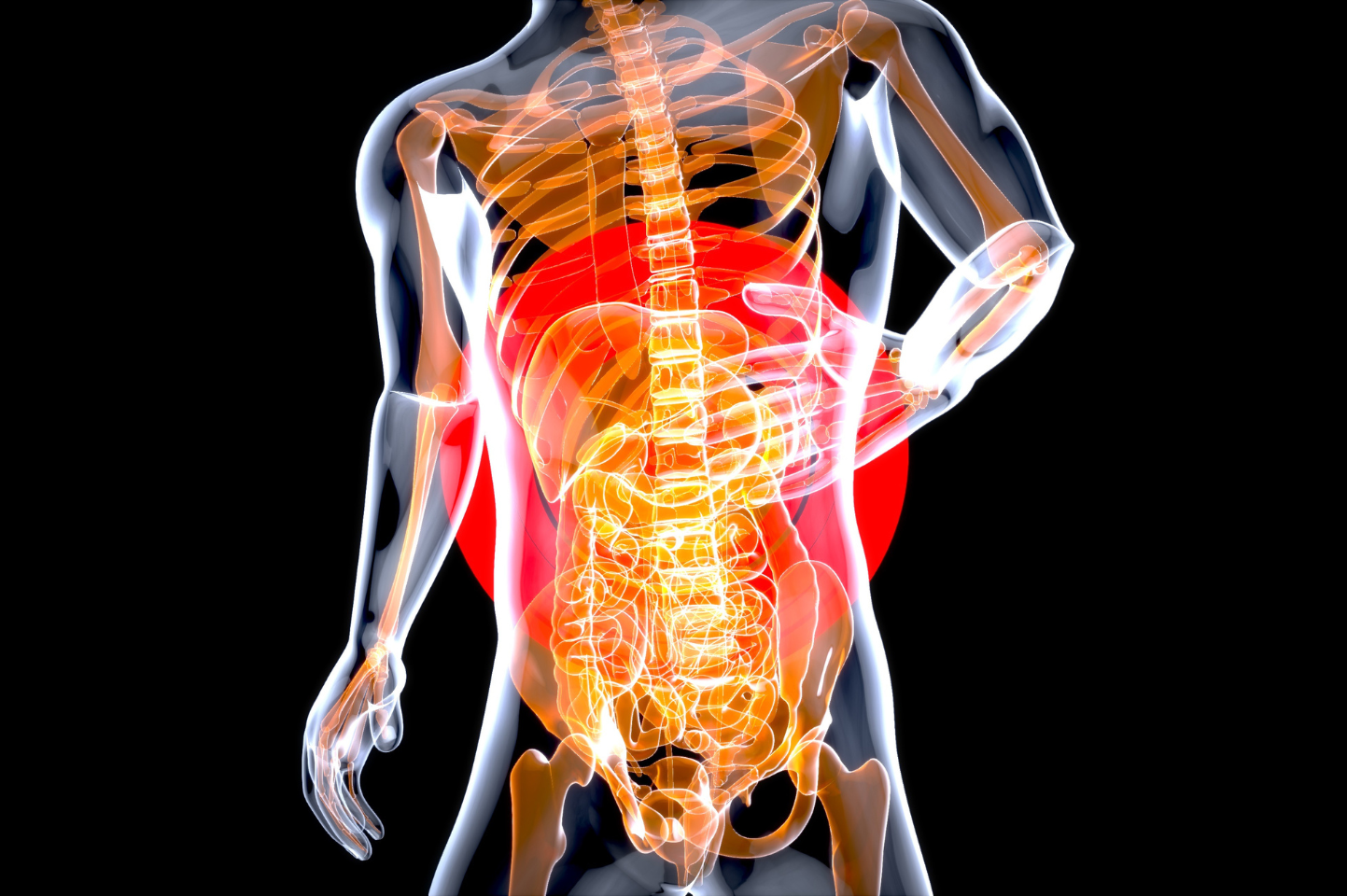
Many patients report persistent abdominal discomfort or pain. Ongoing heartburn, severe indigestion, and nausea that does not resolve can also be warning signs. Some individuals may feel unusually full after eating small amounts of food or experience frequent bloating after meals.
Additional symptoms may include unexplained weight loss, fatigue, or changes in appetite. Because these symptoms can overlap with other gastrointestinal conditions, medical evaluation is important if they persist.
How Stomach Cancer Is Diagnosed
Stages Of Stomach Cancer
Treatment Options
Treatment for stomach cancer depends on several factors, including the stage of the cancer, its location within the stomach, and the patient’s overall health.
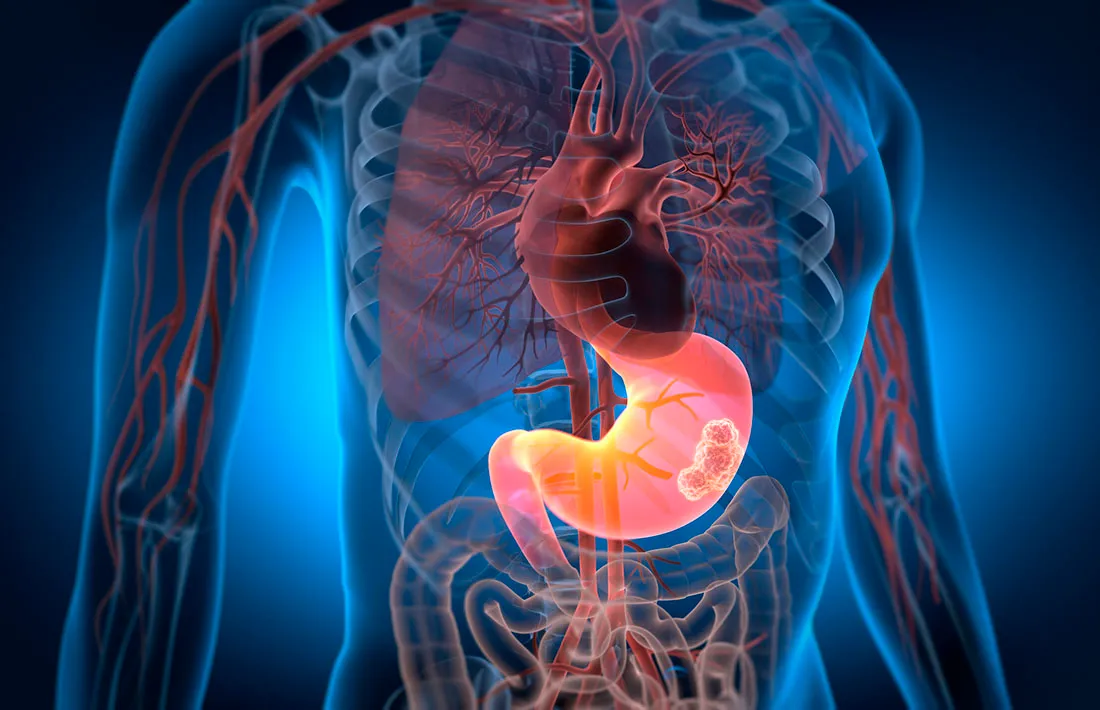
In some early cases, abnormal tissue or tumors may be removed during endoscopic procedures such as endoscopic mucosal resection. When cancer has grown beyond the surface layer, surgery may be recommended to remove part of the stomach (subtotal gastrectomy) or, in some cases, the entire stomach (total gastrectomy).
Additional treatment options may include chemotherapy or radiation therapy, which are used to shrink tumors, destroy cancer cells, or prevent the cancer from spreading further.
Newer therapies, including targeted medications and immunotherapy, may also be used to attack specific cancer cell pathways or support the immune system in fighting cancer.
Take the Next Step
Frequently Asked Questions
What services does InfiniHealth offer?
InfiniHealth provides comprehensive care across nine medical specialties: spine care, orthopedic care, sports medicine, pain management, urology, gastroenterology, radiology, vascular care, and primary care.
Where are your locations?
InfiniHealth proudly serves patients at five locations throughout New Jersey: West Orange, Clifton, Woodland Park, Hackensack, and Elizabeth.
What insurances do you accept?
We are In-Network with Horizon Blue Cross Blue Shield and Medicare. If you have out of network benefits, we accept all commercial insurance plans and will work with you to maximize your coverage.
How do I make an appointment?
You can schedule an appointment by calling us at (908)315-9055 or using our online booking form.
Do you offer same-day or urgent appointments?
Same-day appointments may be available depending on location and specialty. Please call to check availability.
What conditions do you treat?
From back pain, joint injuries, and sports-related issues to gastrointestinal conditions, vascular problems, and chronic pain, our specialists are trained to handle a wide range of health concerns.